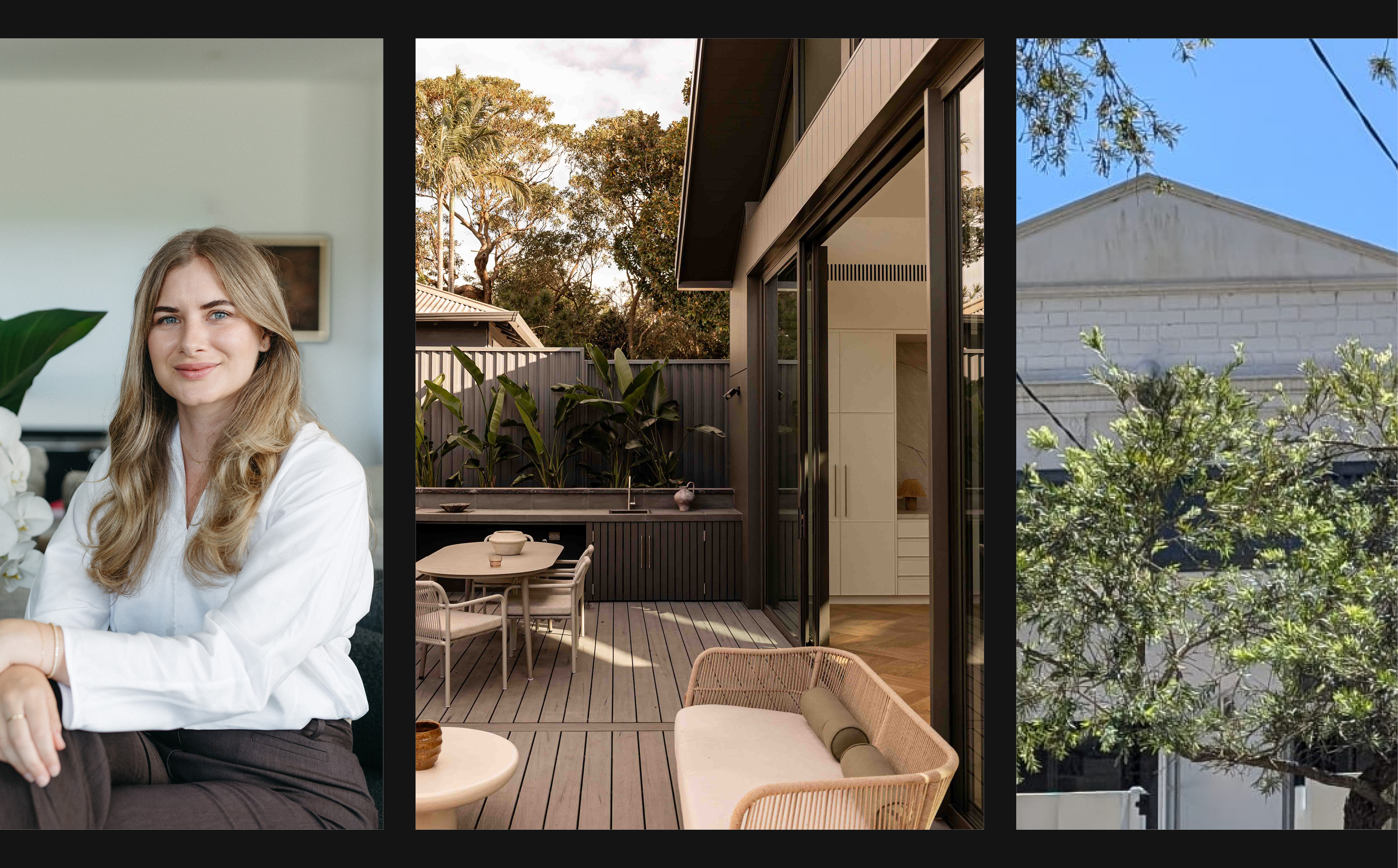

Sydney is quietly losing a generation of houses.
Not the Victorian terraces or the Federation homes. We've long agreed those are worth keeping, and in most cases they're protected accordingly. The houses we're losing are the ones that came next: the post-war homes of the 1950s, 60s and 70s that sit in the gap between heritage protection and contemporary appreciation.
They're the houses in between. Old, but rarely considered old enough.
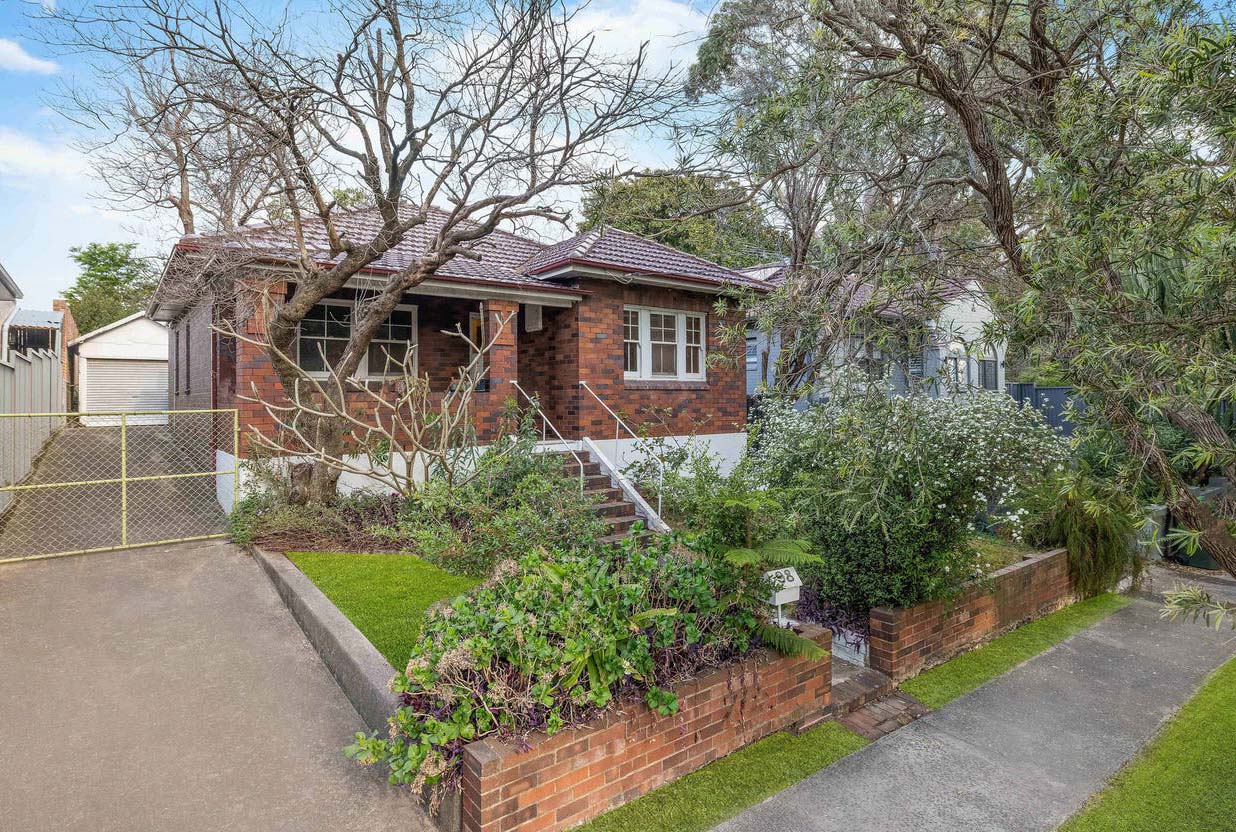
Old, but not Old Enough
Across Sydney's suburbs, these homes occupy an interesting middle ground. Most carry no formal heritage listing. Taken individually, few would ever be described as architecturally significant. There's no plaque, no conservation area, no council officer standing between them and a demolition order.
And yet many of them are incredibly well built. Double brick construction. Solid timber floors. Generous proportions and simple, robust materials that have already outlasted plenty of what's been built since. These houses were put together by trades working with techniques we now pay a premium to replicate.
More than that, they do quiet work at the scale of the street. Their consistent setbacks, roof forms and face brickwork give whole suburbs their character. You don't always notice it while they're there. You notice it once they start to go.
What gets lost when we clear the Site
As land values rise and expectations around how we live change, demolition can feel like the obvious starting point. The existing house doesn't have the open plan, the light, or the connection to the garden that a family wants today, so the reflex is to clear the site and start again.
But removing these houses one by one gradually removes a layer of our suburbs: their material history, their scale, their rhythm.
It's a loss that happens too slowly to make headlines and too permanently to undo.
In our residential design work across Sydney, we think there's enormous value in looking carefully at what's already there before deciding what needs to go. Not out of nostalgia, but because the existing house is often a genuine asset: structurally, materially and financially.
Between Old & New
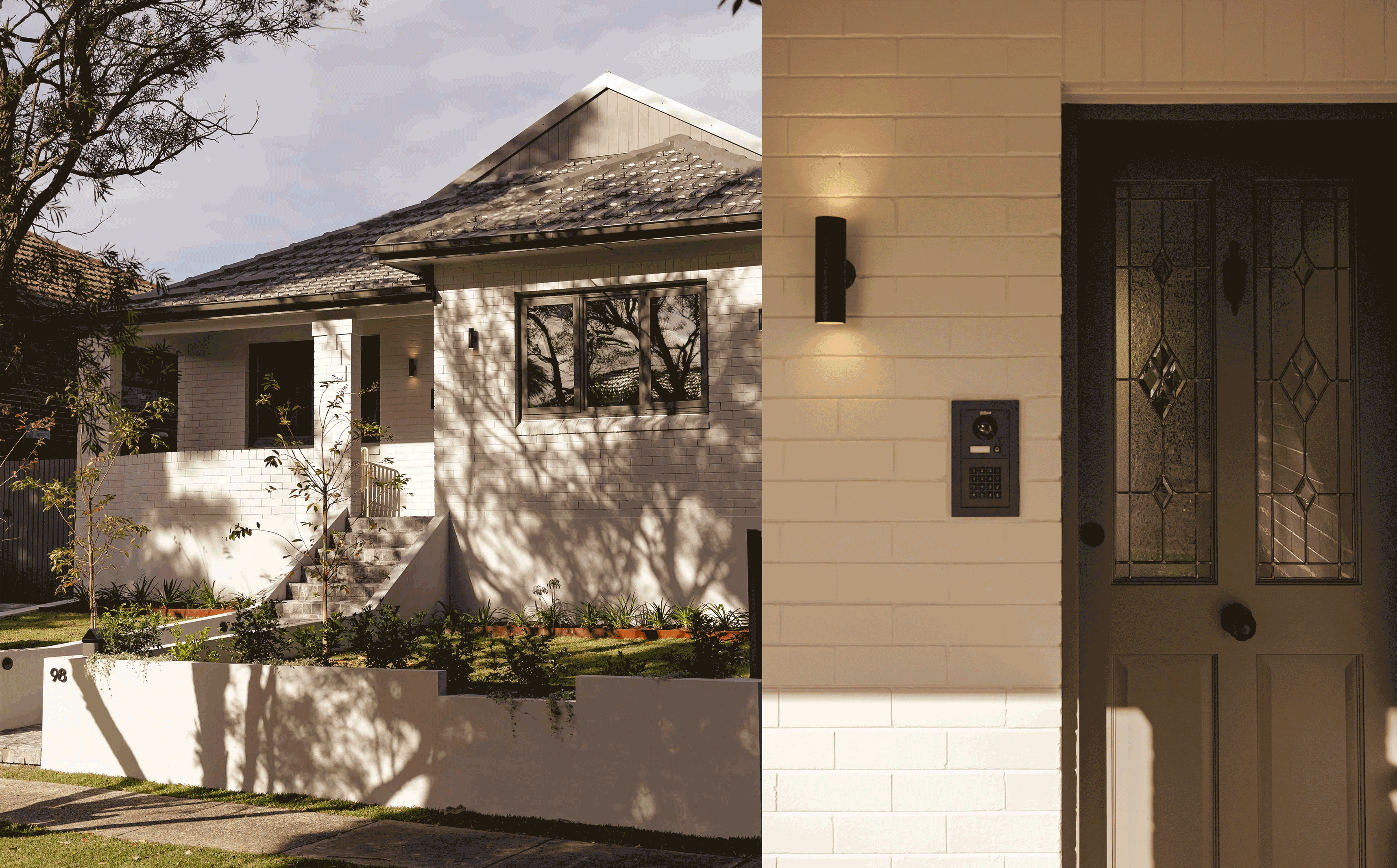
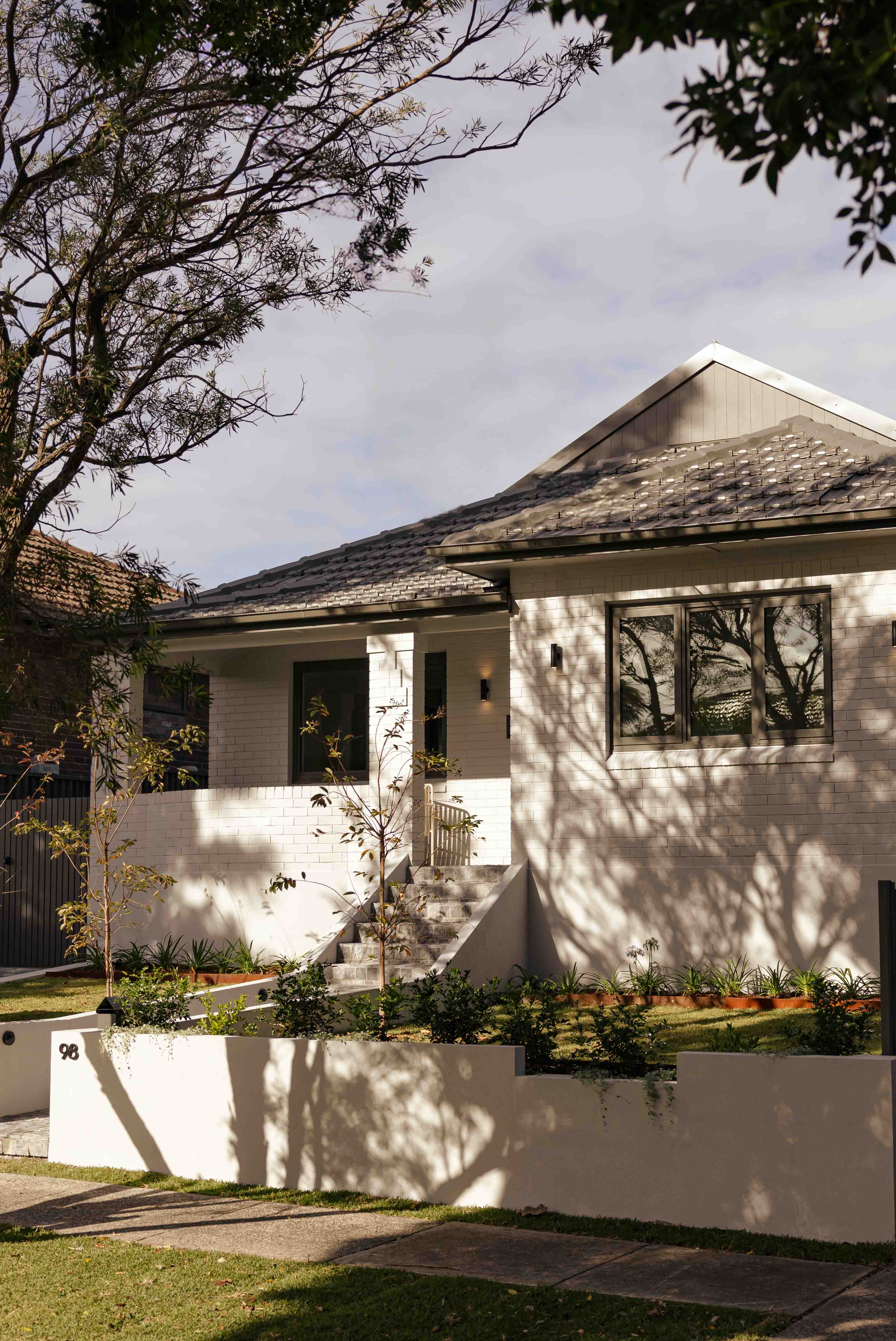
Our recently completed project, Between Old & New, began with exactly this kind of house: a modest post-war brick home in Eastlakes that many would have cleared without a second thought.
Rather than demolishing, we retained much of the original home and used it as the starting point for something new.
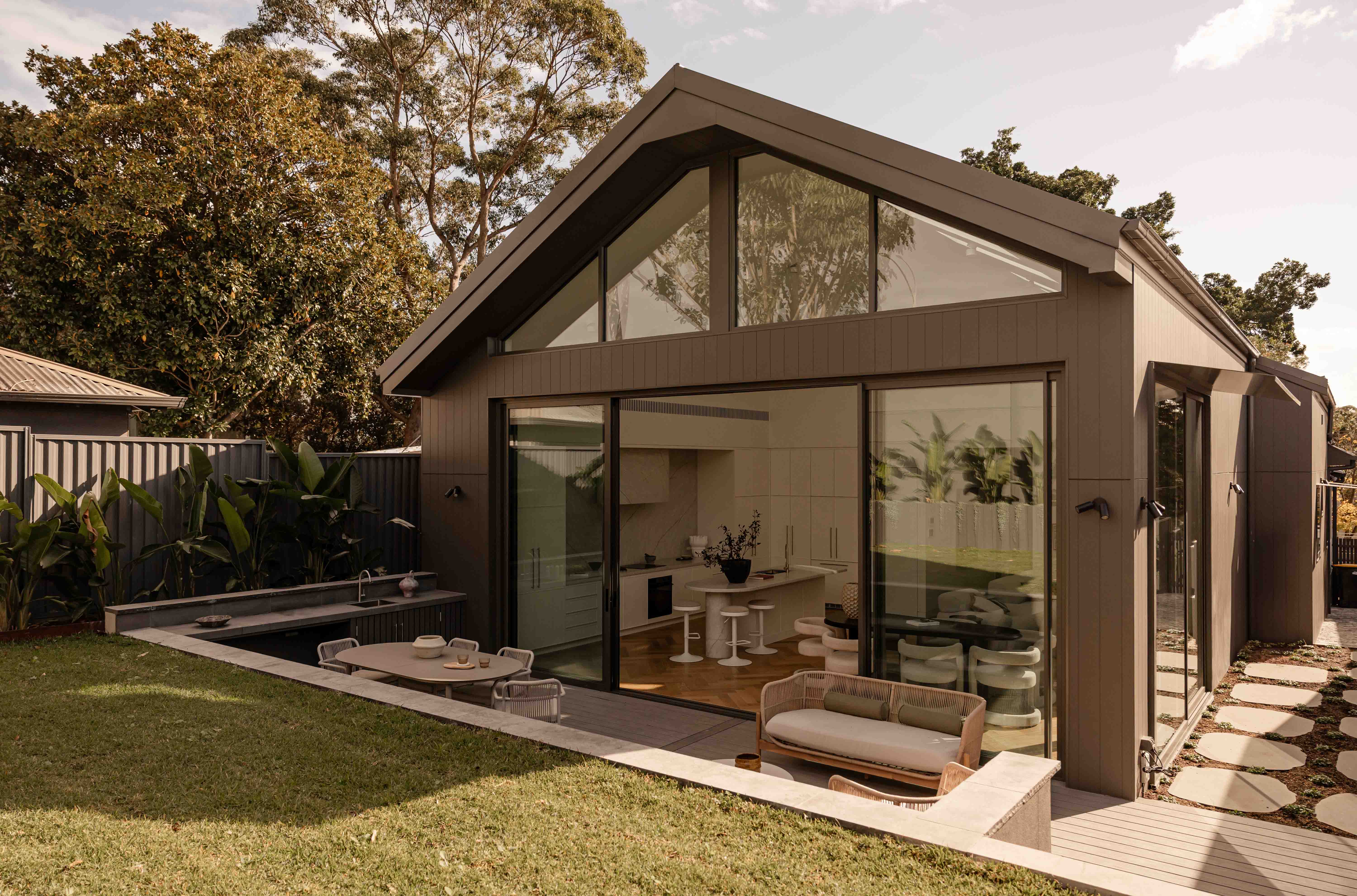
The existing front rooms and roof form were kept, preserving the house's face to the street. To the rear, we introduced a new double-height living, kitchen and dining volume, with a pitched roof and large sliding glass doors that open the home to the garden.
Old and new are deliberately legible. You can read where the original house ends and the addition begins. But the two are designed to belong together: the new wing takes its cues from the scale and rhythm of the original, then speaks in its own contemporary language.
The result gives the family everything a new build promises: light, volume, openness, a real relationship with the garden; while keeping the character, and the embodied history, that was already there.
Renovate or Rebuild?
Working with an existing house comes with constraints. Floors don't always align. Existing walls dictate decisions. Old construction reveals surprises, usually at the least convenient moment.
But in our experience, those constraints are often where the architecture comes from.
A home shaped around an existing structure ends up more particular to its place: full of moments and idiosyncrasies that a clean-slate new build simply never has.
It's one of the reasons alterations and additions remain at the heart of our practice, from post-war homes like this one to heritage terraces and Federation houses.
The renovate-or-rebuild question rarely has a universal answer. Not every post-war house needs to be preserved, and not every building is significant. Some sites genuinely are better served by starting again. But we'd argue for being slower to assume that a lack of heritage protection means a lack of value.
Keeping a Little More
Sometimes a well-considered alteration and addition can give you everything a new home can - more space, more light, a better way of living - while keeping a little more of the character that was there before. Often it can do so with less waste, less time in planning, and a result that feels like it could only exist on that site.
If you're weighing up whether to renovate, extend or rebuild a home in Sydney - post-war, heritage-listed or somewhere in between - that's exactly the kind of conversation we love to have. Take a look at Between Old & New to see where it can lead, or get in touch to talk about your own house in between.
Studio Frino is a residential architecture practice based in Woolloomooloo, designing bespoke homes across Sydney's Eastern Suburbs.
Led by architects Andre Frino and Ana Subotic.
Photography by CEG Studio.